Lawn Maintenance in Louisville, KY: Signs Your Lawn Is Struggling in the Summer Heat (And What to Do)
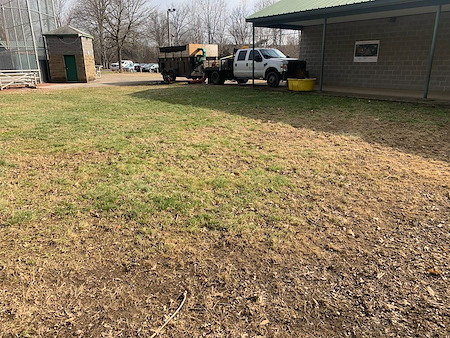
Hot, humid Ohio Valley summers push turf to its limits. If your yard in Louisville, KY is fading, spotting, or thinning, it may be under heat stress or fighting disease. This guide shows the telltale signs, explains what a professional visit includes, and helps you decide when to bring in Burch Lawn Care for routine lawn maintenance.
Why Louisville Summers Stress Grass
Louisville summers are long, sunny, and sticky. Cool-season grasses common in Kentucky, like tall fescue and bluegrass, slow down during heat and can slip into dormancy. Clay-heavy soils found in many neighborhoods from St. Matthews to Fern Creek hold moisture after storms, then harden during dry spells. That on-and-off cycle stresses roots and opens the door for weeds and turf disease.
Shade patterns also shift as trees leaf out. Yards in Jeffersontown and Old Louisville with mature canopy can stay damp after evening storms, while open lots in PRP or Highview dry fast in direct sun. Both extremes cause trouble if not managed with the right maintenance plan.
Clear Signs Of Heat Stress And Drought
Heat stress shows up before turf fully browns. Watch for early warnings so a pro can step in quickly.
- A dull gray-green or bluish cast across sunny areas in late afternoon
- Footprints or mower tracks that linger longer than usual
- Grass blades folding or curling at the tips
- Soil that feels tight or crusted, especially on south-facing slopes
- Patchy, straw-colored spots that expand after a dry, windy day
These signals mean the plant is conserving energy. Catching stress early helps protect roots and speeds recovery when weather breaks. A professional can confirm what’s happening and apply the right solution without guesswork.
Brown Patches Versus Disease In Kentucky Lawns
Not all brown areas are the same. In warm, humid weather, fungi thrive. Two common culprits are brown patch in fescue and dollar spot in bluegrass. Heat alone usually fades blades evenly. Disease often creates distinct shapes, edges, or a mix of healthy and damaged turf in the same area.
What a professional looks for:
- Pattern and size: diffuse heat fade versus circular or irregular disease patches
- Blade clues: lesions, spotting, or frayed tips
- Moisture and thatch levels that hold humidity overnight
If disease is confirmed, a calibrated plan is set. That can include cultural adjustments, targeted fungicide rotations when justified, and follow-up monitoring. Pairing treatment with full lawn care services improves results because mowing, nutrition, and water management work together.
Thinning Grass And Compacted Soil
Traffic, pets, and summer play compact soil along sidewalks and around patio edges. Compaction squeezes out air pockets roots need. Turf then thins even if color looks okay. Low, dense canopies also trap heat close to the soil, making stressed areas sizzle after a storm passes.
A professional visit identifies high-traffic “lanes,” tests soil firmness, and checks thatch depth. When compaction and heat stack up, a one-time quick fix rarely holds. A seasonal plan spaces services so the lawn can rebuild density over weeks, not days.
Local insight: After pop-up evening storms along the Ohio River, humidity can stay trapped near the turf. That’s prime time for fungus to spread. Avoid heavy foot traffic the morning after a steamy night to prevent tearing weakened grass.
What A Pro Lawn Maintenance Visit Includes
Summer lawn care is about control and consistency. Here is what a typical maintenance visit from Burch Lawn Care focuses on during a heat stretch:
- Walk-the-lawn assessment to map stress zones and disease risk
- Precision mowing and edging practices that protect the crown of the plant
- Clipping and thatch management to improve airflow at the soil surface
- Nutrient and soil conditioners tailored to summer tolerance, not fast top growth
- Irrigation review and scheduling recommendations that match your property’s exposure and soil
The goal is simple. Stabilize the lawn now so it rebounds faster when the next cool front arrives. If your yard needs consistent help during hot stretches, ask about scheduling with our team for ongoing lawn maintenance throughout the season.
How Heat Stress Differs From Drought
Both turn lawns off-color, but they act differently. Heat stress happens even when soil holds moisture. Leaves lose more water to hot air than roots can replace. Drought stress is about a real lack of available moisture. Louisville yards on slopes or with new fill dirt often show drought first, while flat, humid areas show heat stress or disease.
Your technician will compare soil conditions to surface symptoms. If the soil is damp and the lawn still flags by late afternoon, heat and humidity are the main drivers. If the soil is dry and tight, water availability and compaction are likely fueling the fade.
Weeds That Follow Summer Stress
After heat waves, opportunistic weeds move in. Crabgrass loves thin, sunny edges near drives. Nutsedge pops up where drainage is inconsistent. Proactive maintenance keeps density up and limits the bare soil these invaders need. Targeted weed control is timed so it supports recovery instead of shocking stressed turf.
When To Call A Local Expert
Call Burch Lawn Care if you notice any of the following:
- Rapid browning that spreads in rings or streaks in two to three days
- Footprints persisting until evening for several days in a row
- New weeds after a stormy, humid week
- Thin, spongey turf along shady fences or low spots that stay damp
If you are unsure whether it is heat, drought, or disease, we can assess and explain a simple plan. Learn more about lawn maintenance in Louisville, KY and how our team builds resilience into local lawns.
A Simple Plan To Help Your Lawn Bounce Back
Recovery in our area usually starts as nights get a little cooler and late-summer showers return. The most reliable strategy is a steady program that carries your lawn through heat, then sets it up for a strong fall. Your Burch Lawn Care technician will fine-tune mowing practices, address compaction, and pace nutrition so blades do not outgrow roots.
In many Louisville neighborhoods, the best window for renovation work is late summer into fall. That is when soil is warm, air cools, and seed takes off. If your yard needs thickening, we time services so new growth has fewer heat spikes to fight. Talk with our team about seasonal scheduling that fits your property, whether you are in St. Matthews, Jeffersontown, Old Louisville, or nearby suburbs.
How Professional Care Protects Against Disease
Disease pressure rises when nights are warm and air is still. A professional plan uses airflow, moisture management, and selective treatments to keep the canopy drier and less inviting to fungus. We monitor weather patterns and the early signs in your yard so action happens before damage gets ahead of recovery.
All of this works best alongside consistent service. Explore how it connects with our broader offerings on lawn care services that align mowing, weed control, soil health, and seasonal timing.
Ready For A Cooler, Greener Lawn?
Seeing brown patches, thin spots, or tracks that will not bounce back after this week’s heat? Let a local pro step in. Call 502-653-5211 to schedule with Burch Lawn Care, or book your service now through our page on lawn maintenance. We will evaluate the turf, outline a simple plan, and keep you updated at every step.
If you prefer to explore related work for beds, borders, or curb appeal improvements that support the look of your lawn, check our landscaping services. Healthy turf looks its best when the whole landscape is working together.
Get A Free Estimate Today